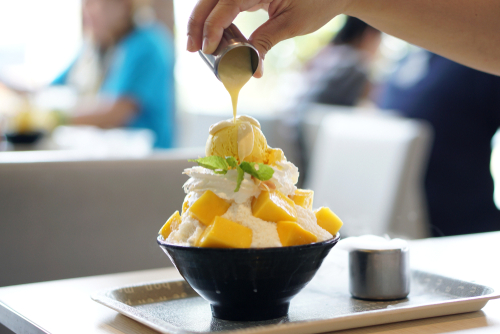
Who says shaved ice is just for beating the heat? It is, in fact, a slice of "frozen history." The Philippine Halo-Halo and Taiwanese Tsua-bing may look different, but they share the same DNA.
A Shared Origin: The Japanese Soul
The "technological genes" of both desserts trace back to Japanese immigrants in the early 20th century. What began as a simple combination of crushed ice and beans (similar to the Japanese Mitsumame) evolved in these different lands into unique cultural symbols.
Philippine Halo-Halo:
• Meaning: In Tagalog, it literally means "mix-mix."
• Cultural Essence: It reflects the Philippine Mestizo culture—embracing abundance and inclusivity over minimalism.
• Soul Ingredients: Purple Yam (Ube), Coconut Gel (Nata de Coco), and Caramel Custard (Leche Flan).
Taiwanese Shaved Ice (Tsua-bing):
• Historical Shift: Evolved from an aristocratic luxury during the Japanese colonial period to a daily comfort for the common people.
• Cultural Essence: Showcases the pragmatism and agrarian wisdom of the Taiwanese people.
• Soul Ingredients: Slow-cooked red beans, mung beans, and taro, tied together by the finishing touch of traditional brown sugar syrup.
________________________________________
Conclusion
In summary, the core values of these two desserts are remarkably aligned: both are vessels of memory. Within the fractures of history, they utilized foreign technology to preserve and present their respective local identities.
For a student far from home, a bowl of brown sugar ice heaped with sweet potato and taro offers more than just relief from the humidity. In that familiar "mixed" spirit, they might hear a whisper of home—a resonance of the soul that transcends national borders.
If you were to add one topping to this bowl to tell your own story, which one would you choose?
The Cultural Symbiosis of Philippine Halo-Halo and Taiwanese Shaved Ice
June 02, 2026
87 views